Exploring the Role of Natural Rubber in Sustainable Pulp Production
Introduction to Natural Rubber in Pulp Production
Overview of Natural Rubber
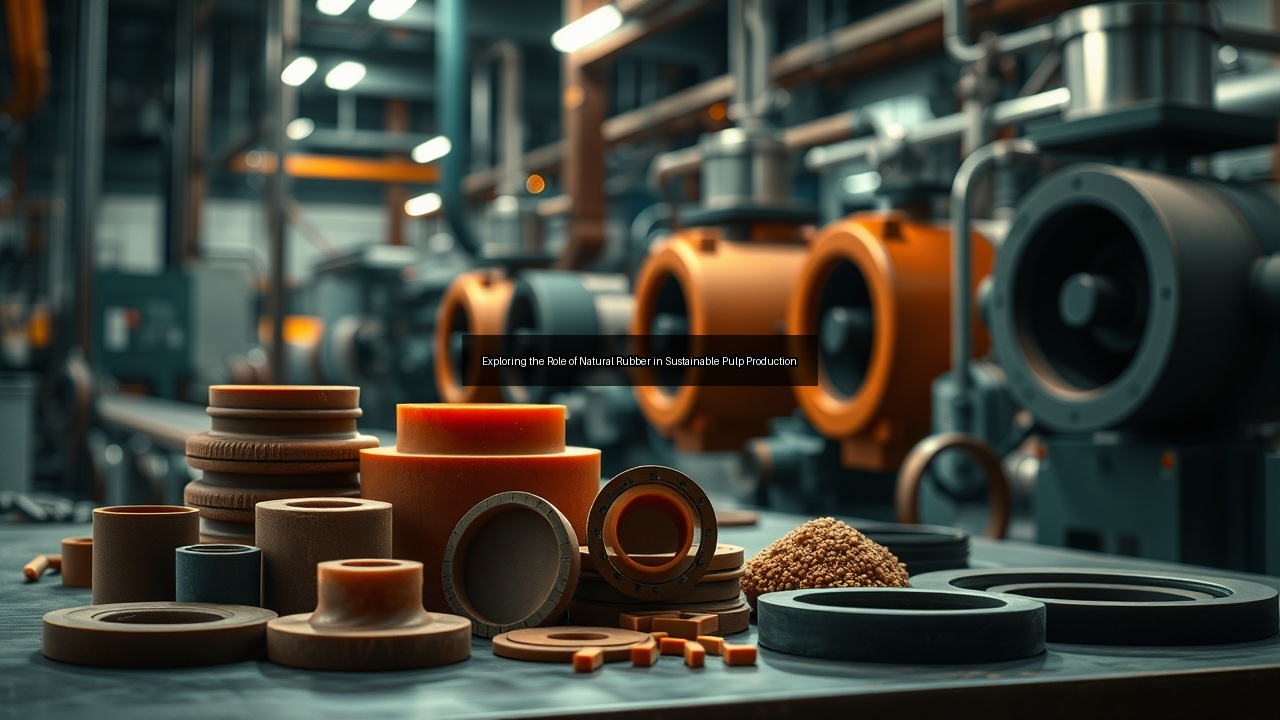
Natural rubber comes from the latex sap of rubber trees and delivers exceptional elasticity along with strong tensile strength. Manufacturers process this material into various forms that withstand repeated flexing and pressure. In the pulp and paper sector, natural rubber supports critical sealing and cushioning functions that keep production lines running smoothly. Workers harvest the latex sustainably from plantations that avoid deforestation when managed properly. The polymer chains in natural rubber provide resilience against mechanical stress common in heavy machinery. This material bonds well with fabrics and metals, creating durable components that last longer than many synthetic options. Pulp mills rely on consistent quality from natural rubber to prevent leaks and maintain vacuum systems during processing stages.
Importance of Sustainability in Pulp Production
Sustainability drives modern pulp operations toward materials that reduce waste and lower carbon footprints. Natural rubber fits this goal because it grows renewably and biodegrades at end of life unlike petroleum-based alternatives. Mills now track sourcing to ensure rubber comes from certified plantations that protect biodiversity. These practices help companies meet regulations while appealing to buyers who demand eco-friendly paper products. Natural rubber components also cut energy use in machinery by providing efficient seals that prevent downtime. The pulp and paper industry rubber products made from this source support closed-loop systems where waste gets recycled into new applications. Long-term adoption strengthens supply chains and shields operations from volatile fossil fuel prices.
Key Applications of Natural Rubber in the Pulp & Paper Industry
Rubber Stoppers: Essential Components
Rubber stoppers serve as vital seals in pipelines and tanks throughout pulp mills. These stoppers block leaks of chemicals and maintain pressure during bleaching and washing cycles. Operators select natural rubber versions because they resist swelling when exposed to hot water and alkaline solutions. A single stopper failure can halt an entire line, so mills stock high-grade options that endure thousands of cycles. The material compresses evenly to create airtight barriers without cracking under vibration. In vacuum chambers, rubber stoppers preserve suction levels needed for efficient fiber separation. Replacement occurs less often compared to plastic alternatives, lowering maintenance costs across shifts. Pulp facilities document improved uptime after switching to premium natural rubber stoppers.
The Role of Gaskets in Paper Machinery
Gaskets made from natural rubber form critical barriers between machine sections that handle pulp slurry and steam. These gaskets absorb shocks from rotating rollers and prevent fluid migration that could contaminate paper sheets. Engineers design them to fit irregular surfaces on presses and dryers where metal expansion occurs daily. Natural rubber maintains flexibility across wide temperature ranges common in paper production. When installed correctly, gaskets reduce noise and vibration that affect worker safety. Mills inspect gaskets during scheduled outages to catch wear before it leads to spills. The combination of resilience and chemical stability makes these components indispensable for continuous operation in demanding environments.
Utilizing EPDM in Pulp Production
EPDM, or ethylene propylene diene monomer rubber, complements natural rubber in areas exposed to ozone and extreme weather. This synthetic blend offers superior resistance to heat and certain chemicals while retaining flexibility. Pulp lines employ EPDM gaskets alongside natural rubber stoppers to handle both acidic and basic stages of processing. The material withstands ultraviolet exposure on outdoor conveyors without degrading quickly. Production teams value EPDM for its low compression set that keeps seals tight over months of service. When combined with natural rubber products for the pulp & paper industry, EPDM extends equipment life and cuts replacement frequency. Mills report fewer leaks after adopting hybrid sealing systems that leverage both materials strategically.
Benefits of Using Natural Rubber in Pulp Production
Enhanced Durability of Rubber Products
Natural rubber products for the pulp & paper industry deliver outstanding durability that withstands constant abrasion from wood fibers and grit. The material rebounds quickly after compression, preserving seal integrity during high-speed operations. Mills experience fewer breakdowns when components resist tearing under heavy loads. This longevity translates into lower inventory needs and reduced labor for part swaps. Natural rubber also ages gracefully when protected from direct sunlight, maintaining performance for extended periods. Operators notice smoother machine cycles because the rubber absorbs impacts that would damage rigid parts. Overall equipment effectiveness rises as durable rubber elements minimize unplanned stops that cost thousands per hour.
Chemical Resistance of Rubber in Pulp Processes
Rubber resists degradation from the harsh chemicals used in pulping, including chlorine dioxide and sodium hydroxide. Natural rubber formulations stand up to these agents without losing elasticity or developing cracks. This resistance protects machinery internals from corrosion that accelerates wear on metal surfaces. Vacuum systems stay efficient because rubber seals block chemical vapors that could otherwise escape and create hazards. Workers handle fewer emergency repairs when rubber components maintain their barrier properties through multiple batches. The pulp and paper industry rubber products benefit from tailored compounds that balance flexibility with resistance to specific process fluids encountered daily.
Environmental Impact of Natural Rubber
Natural rubber lowers the environmental impact of pulp production by offering a renewable alternative that sequesters carbon during growth. Plantations managed responsibly support soil health and provide habitats for local wildlife. At disposal, natural rubber breaks down faster than synthetics, reducing landfill contributions from worn parts. Mills that prioritize these products meet sustainability targets set by major retailers of paper goods. The switch from fossil-derived materials also decreases dependency on oil markets that fluctuate unpredictably. Lifecycle assessments show clear advantages when natural rubber replaces EPDM in non-critical applications where performance allows the substitution.
Challenges and Considerations
Supply Chain Issues for Natural Rubber
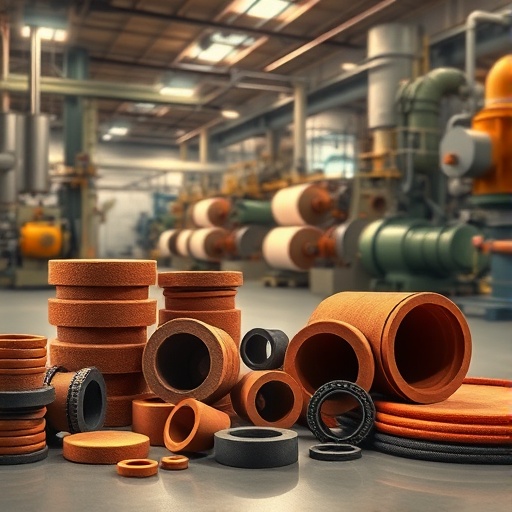
Supply chain issues arise from weather events that damage rubber trees and disrupt latex collection in key growing regions. Mills must plan inventories carefully to avoid shortages that halt production. Price swings occur when demand spikes across automotive and industrial sectors simultaneously. Diversifying suppliers helps stabilize access to quality natural rubber for pulp applications. Logistics teams monitor shipping routes to prevent delays in delivering finished rubber products for the pulp & paper industry. Some facilities stockpile critical stoppers and gaskets during stable periods to buffer against future disruptions. Transparent sourcing practices build resilience into the overall procurement strategy.
Alternatives to Natural Rubber: A Comparative Analysis
Alternatives such as nitrile and silicone offer different trade-offs in cost and performance compared with natural rubber. Nitrile provides better oil resistance but lacks the same elasticity at low temperatures. Silicone handles higher heat yet costs more and tears easier under mechanical stress. EPDM serves well in outdoor settings but may not match natural rubber flexibility in vacuum applications. Mills run side-by-side tests to determine which material suits each machine position best. The decision often hinges on chemical exposure levels and expected service intervals rather than upfront price alone.
Addressing the Environmental Impact of Rubber Production
Addressing the environmental impact of rubber production requires better plantation practices and reduced use of pesticides. Certification programs help buyers verify that latex comes from operations avoiding child labor and habitat destruction. Recycling programs now reclaim used rubber stoppers and gaskets for reuse in lower-grade applications. Mills collaborate with suppliers to develop closed-loop systems that minimize waste. The pulp and paper industry rubber products gain further credibility when paired with traceable sourcing that documents every step from tree to finished component. Continuous improvement in these areas strengthens the case for expanded natural rubber adoption.
Future Trends in Rubber Products for the Pulp & Paper Industry
Innovations in Rubber Manufacturing
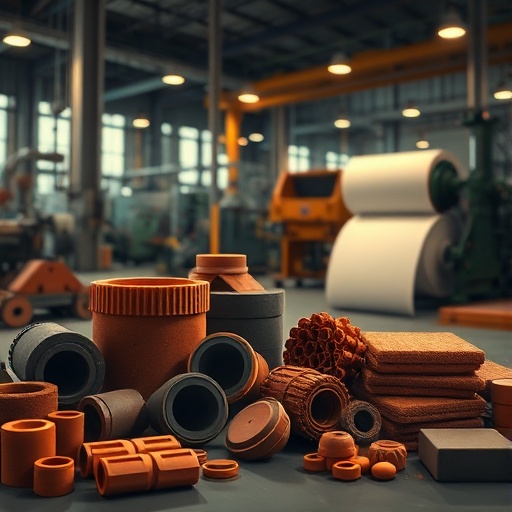
Innovations in rubber manufacturing introduce bio-based additives that enhance natural rubber performance without synthetic fillers. New compounding techniques improve resistance to the specific chemicals found in modern pulp lines. Automated molding produces precise gaskets and stoppers that fit complex geometries better than older methods. These advances reduce material waste during production and deliver consistent quality batch after batch. The pulp and paper industry rubber products benefit directly as mills adopt components engineered for longer intervals between maintenance shutdowns. Research continues into hybrid blends that combine natural rubber strengths with targeted enhancements for demanding positions.
Sustainable Practices for Rubber Sourcing
Sustainable practices for rubber sourcing emphasize agroforestry models that integrate rubber trees with other crops. This approach boosts farmer income while preserving biodiversity around plantations. Mills increasingly require blockchain tracking to confirm ethical origins of every shipment. Such transparency builds trust with customers who examine supply chains closely. The switch to verified natural rubber supports broader corporate goals around deforestation-free products. Partnerships between processors and growers accelerate adoption of low-impact tapping methods that extend tree productivity over decades. These efforts position natural rubber as a cornerstone material for future pulp operations focused on responsibility.
The Role of Technology in Rubber Applications
Technology plays a growing role in rubber applications through sensors embedded in gaskets that monitor seal wear in real time. Predictive maintenance systems alert teams before a stopper fails and causes a vacuum breach. Advanced simulation software helps engineers optimize rubber compound recipes for specific pulp chemicals and temperatures. The pulp and paper industry rubber products evolve rapidly as data from these tools guides material improvements. Automation in inspection reduces human error when checking for defects in delivered components. Continued integration of digital tools promises even higher reliability and efficiency across all rubber elements used in production lines.
See Also
- Unveiling the Benefits of Custom Rubber Solutions for Pulp Industry Challenges
- The Chemistry Behind EPDM Rubber and Its Impact on the Pulp Industry
- The Essential Guide to Choosing Rubber Products for Pulp and Paper Applications
- Rubber Products Revolutionizing the Vacuum Systems in Paper Manufacturing
- The Future of Rubber in the Pulp and Paper Sector Sustainable Practices and Innovations