The Importance of Calibration in Precision CNC Machining
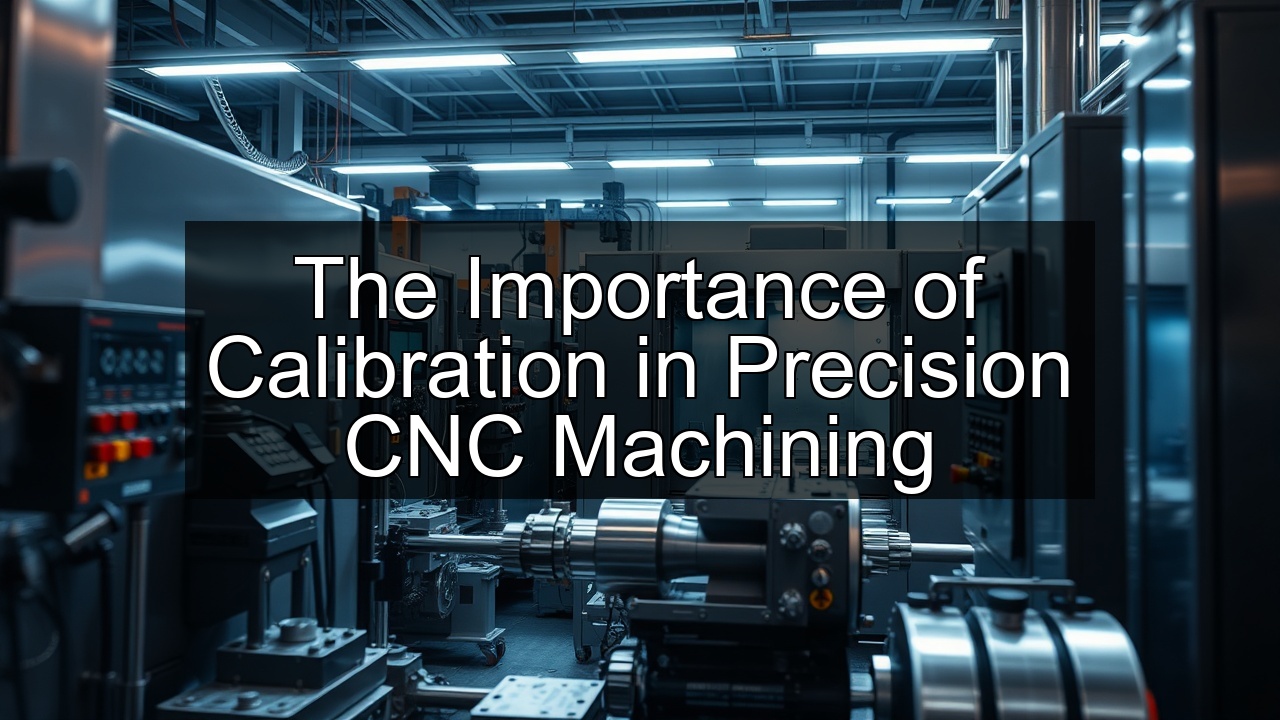
Understanding Calibration in CNC Machining
What is Calibration?
Calibration in CNC machining refers to the process of configuring the precision of machines to ensure that they produce parts within specified tolerances. This involves adjusting and verifying the settings of tools and equipment to match the intended design parameters. Accurate calibration is crucial for maintaining a high standard in manufacturing, especially when dealing with complex geometries and demanding materials like titanium alloys and various metals. The goal is to achieve consistency in machining operations, which ultimately reduces waste and enhances product quality.
The Role of Calibration in CNC Precision
Calibration plays a pivotal role in the realm of precision CNC machining. It ensures that CNC machines, including milling machines, automatic lathes, and electrical discharge machines (EDM), operate within defined parameters. By maintaining accuracy, calibration allows manufacturers to produce parts that meet stringent industry standards. This is especially important in sectors like automotive and aerospace, where even the smallest deviation can lead to cnc machining services catastrophic failures. Proper calibration not only boosts efficiency but also enhances the lifespan of tooling and machinery, thereby optimizing the overall manufacturing process.
Types of Calibration Tools Used
A variety of calibration tools are essential for achieving precision in CNC machining. These include laser interferometers for high-accuracy measurements, electronic gages for tool height adjustments, and precision levels for ensuring machine alignment. Additionally, manufacturers often use software such as CAD (Computer-Aided Design) and CAM (Computer-Aided Manufacturing) to simulate and verify calibrations. These tools help engineers and fabricators pinpoint issues before they escalate, ensuring that machining processes run smoothly and efficiently. The integration of these tools into the calibration workflow fosters better quality control and enhances the overall effectiveness of CNC machining operations.
Impact of Calibration on Precision CNC Machining
Accuracy and Tolerances in CNC Machining
Accuracy and tolerances are paramount in precision CNC machining. Calibration directly influences the ability of machines to achieve desired tolerances, which can range from a few microns to several millimeters depending on the application. In applications involving intricate designs, such as those found in aerospace components or specialized automotive parts, precise tolerances ensure that parts fit together correctly and function as intended. Regular calibration checks help identify potential deviations in machine performance, allowing for timely adjustments that maintain accuracy and adherence to design specifications.
How Calibration Affects Tooling and Tool Life
Calibration significantly impacts tooling and tool life in CNC machining. Properly calibrated machines reduce unnecessary wear on tools by ensuring they operate at optimal settings. Over time, misalignment or incorrect settings can lead to increased friction and heat, accelerating tool degradation. This not only raises manufacturing costs but also affects production timelines. By implementing a consistent calibration routine, manufacturers can prolong the life of their tools, whether they are milling cutters, electrodes for EDM, or tooling used in laser cutting and plasma cutting applications. This, in turn, enhances productivity and reduces the frequency of tool replacements.
Calibration's Influence on Surface Finishes
The quality of surface finishes in CNC machined parts relies heavily on effective calibration. Calibration affects how tools interact with materials, influencing factors such as feed rate, speed, and cutting depth. A well-calibrated CNC machine produces smoother surfaces with fewer imperfections, which is critical for applications demanding high surface quality, such as titanium and copper components. Manufacturers often seek to achieve specific surface finish standards to meet client specifications. Regular calibration helps maintain these standards and ensures that the final products not only meet aesthetic requirements but also perform effectively in their intended applications.
Integrating Advanced Technologies in Calibration
The Role of Robotics in Precision Calibration
Robotics plays a transformative role in precision calibration within CNC machining. Automated systems can perform calibration tasks with high accuracy and repeatability, reducing human error and improving efficiency. Robotic arms equipped with advanced sensors can adjust machine settings dynamically, optimizing cnc custom machining performance in real-time. This integration enhances the precision of machining operations and allows for flexible manufacturing processes. As industries move towards automation, the incorporation of robotics in calibration routines will become increasingly crucial, further elevating standards in precision CNC machining.
Using CAD and CAM Software for Accurate Calibration
CAD and CAM software are essential tools for achieving accurate calibration in CNC machining. CAD allows engineers to design parts with intricate specifications, while CAM translates these designs into executable machining instructions. By utilizing these technologies, manufacturers can simulate machining processes and identify potential calibration issues before physical production begins. This proactive approach minimizes errors and enhances the overall efficiency of the machining process. Furthermore, advanced software can track calibration history, providing valuable data for continuous improvement and optimization of machining operations.
Hybrid Systems and Their Impact on CNC Calibration
Hybrid systems combine traditional CNC machining with additive manufacturing techniques, redefining the landscape of precision machining. These systems require meticulous calibration to ensure that both subtractive and additive processes function seamlessly together. Calibration in hybrid systems must account for variations between materials used in 3D printing and traditional machining, such as plastics and metals. This complexity necessitates a more sophisticated calibration approach, integrating advanced technologies and methodologies. The result is a cnc fabrication versatile machining process that enhances design flexibility and allows for innovative product development.
Best Practices for Calibration in CNC Machining
Regular Maintenance and Calibration Schedules
Establishing regular maintenance and calibration schedules is vital for achieving consistent precision in CNC machining. Manufacturers should implement a routine that includes daily, weekly, and monthly checks of machine settings and tooling. This ensures that any deviations are detected early and corrected promptly. Additionally, documenting calibration activities helps create a reliable history that can be referenced during audits or quality assessments. By prioritizing regular maintenance, manufacturers can mitigate risks associated with machine inaccuracies and maintain high standards in precision CNC machining.
Outsourcing Calibration: Pros and Cons
Outsourcing calibration presents both advantages and disadvantages. On one hand, partnering with specialized calibration service providers can enhance the accuracy and reliability of calibration processes. These providers often possess advanced equipment and expertise, ensuring that machines are calibrated to the highest standards. On the other hand, outsourcing may lead to increased costs and potential delays in production schedules. Manufacturers must weigh these factors carefully, considering their unique operational needs and budget constraints. In some cases, a hybrid approach that combines in-house calibration with external expertise can yield the best results.
Case Studies: Successful Calibration in Aerospace and Automotive Industries
Numerous case studies illustrate the importance of effective calibration in precision CNC machining, particularly in the aerospace and automotive industries. For instance, a leading aerospace manufacturer implemented a rigorous calibration program that reduced dimensional discrepancies in aircraft components by over 30%. Similarly, an automotive fabricator improved the accuracy of machined parts, leading to a 20% reduction in rework costs. These success stories highlight how systematic calibration efforts can drive significant improvements in quality, efficiency, and cost-effectiveness, ultimately shaping the future of precision engineering.